Thursday, July 16, 2015

Cimicifuga, Black Bugbane, Fairy Candles

Here is a link to a perennial I would like to remember from our 28 year old home.  This perennial was originally planted about 25 years ago in the front flower bed and never really thrived there.  I planted it there as there was a big spruce tree shading the flower bed and the Bugbane is known as a shade plant.  When we redid the front bed as a full sun prairiescape garden I moved the Bugbane to a garden tucked beside the house with a northeast exposure.  Since then it has thrived and this year, by mid July, is already showing signs of flowering.  The foliage on this plant is healthy and a vibrant purple black colour.  Not knowing whether I could split the plant and have it thrive I dug beside the plant and carefully uprooted one single rooted plant.  I planted this "upstart" plant in Amy's shade garden out at the cabin.
New Start at Sylvan Lake

Foliage of the original plant

Look carefully and you can see the flower starting

Update October 8, 2023 (Thanksgiving Sunday)
The tiny volunteer shoot from the original plant, transplanted in 2015 to the cabin and then to the Lakehouse in 2016 is now in fall of 2023 a thriving  Black Bugbane with showy blooms.  Next year I will take a photo a little earlier in the fall before the frost and when the background is more worthy of it's stateliness.  Yesterday Papa took down the sundeck railings and some of the decking in preparation for our new deck.   We have had frost for a couple of weeks now but this morning was the first sign of damage to the Bugbane.

A few more interesting facts about the Bugbane:

The Cimicifuga has many common names.  
Snakeroot because of the sinuous nature of the roots.  
Bugbane because it was used to chase away bugs.  Its scientific name, Cimicifuga says the same in Latin.  
Cohosh is an Algonquian name meaning rough referring to the root that is not black, but dark brown.  
Fairy Candles because the tall raceme has the appearance of white tapers.


Wednesday, August 13, 2014

Plum Tree

This plum tree, planted summer 2012, grows in a sunny backyard overlooking Cayuga Lake, at a home in Lansing, New York.  This summer it has produced a multitude of tasty plums which are just beginning to ripen in the second week of August.  They have, so far, escaped the hungry deer that are prevalent in the area but have not escaped the hungry hands of the "little ones" who are anxious to taste the fruit off their very own plum tree.  More research is needed to determine the variety of plum tree but clicking on Plum will lead to a link on growing plum trees.
August 2014

August 2014

Friday, July 25, 2014

"Pastel Splendor" Itoh Peony

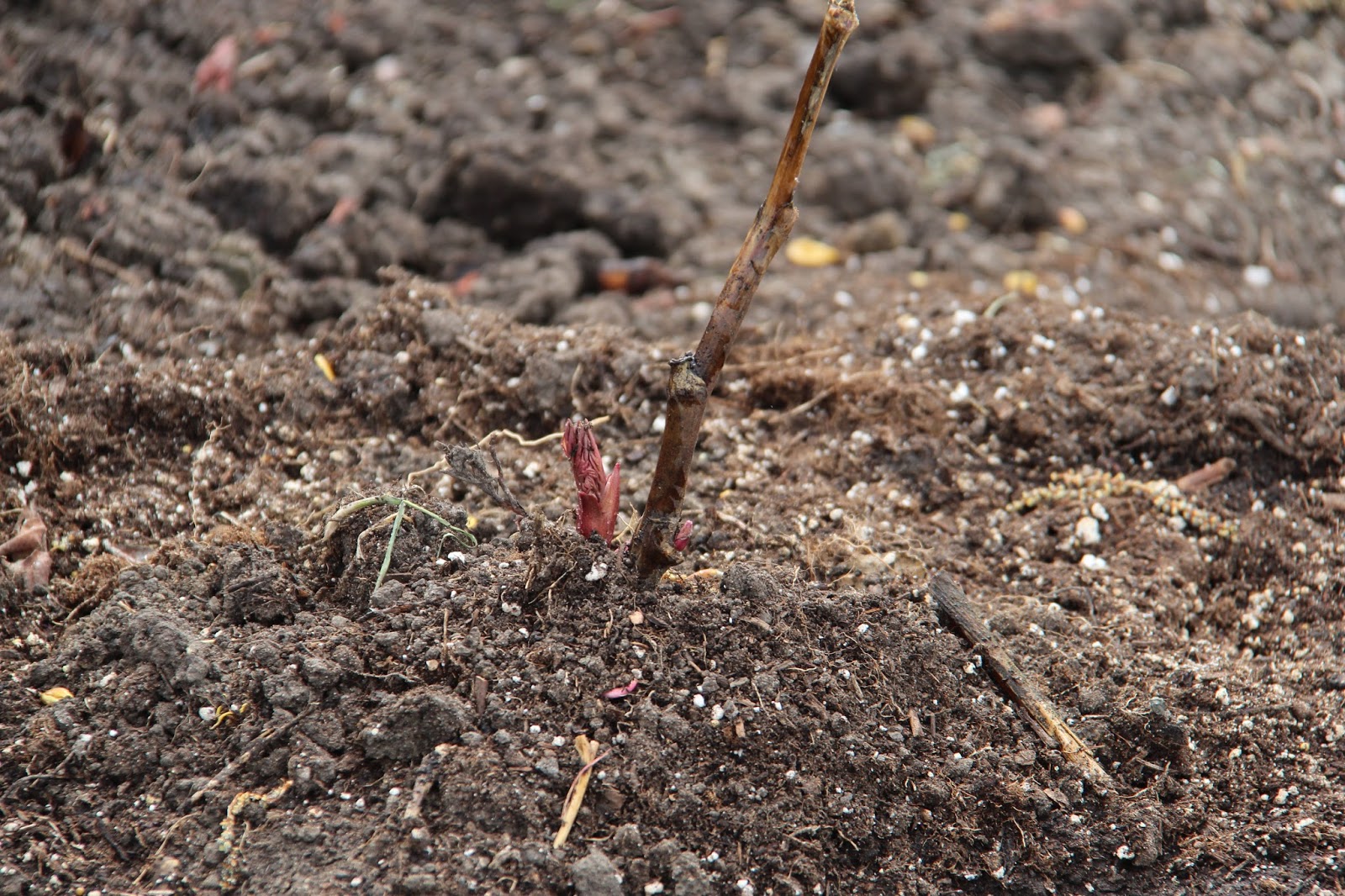
Fast forward to spring of 2016.  The Itoh Peony has moved to Norglenwold after spending the fall and winter in Kuusamo, both on Sylvan Lake.  The lake was out the earliest as far as available records could be found, April 15, and it seemed like a good time to move the Itoh.  We have been preparing the front flower bed and moved the Itoh on 
Sunday, April 17, 2016.  Stay posted for further growth. 
April 17, 2016
July 2014

This Itoh Peony was planted near the end of July in Benny's garden (southwest exposure).  


kkk

July 6, 2019 First blooms of many more to come this year

July 6, 2019 First blooms of many more to come this year

July 7, 2022 (First planted in Red Deer 2014) 
8 years old now
July 7, 2022 (First planted in Red Deer 2014) 
8 years old now


Tuesday, July 15, 2014

Forget- Me -Nots in the Bruce Heart Gardens

These Forget-Me-Nots are growing in the Bruce Heart Gardens in Kuusamo Crest, Sylvan Lake.
July 2014

Monday, July 7, 2014

Blue Himalayan Poppy in the Bruce Heart Gardens

This seedling, the beginning of a Himalayan Poppy is seen in the "Bruce Heart Gardens" on a hill overlooking Sylvan Lake.  Growing the Himalayan Poppy can be challenging and I have been told, yet still need to verify, that the Himalayan Poppy is a biannual.
Early July 2014

Friday, July 4, 2014

Rhubarb

  1. We now have eight rhubarb plants in the yard and are hoping for a good crop of rhubarb for pies, jams and crisps.
    The two newest plants, seen below, (July 2014) are "Canada Red".
    Click Rhubarb for a link to more information.

    Of the other six plants, six of them are Strawberry Rhubarb (three clumped together), which is similar to the Canada Red.  The sixth rhubarb is a greener, hardier, yet less sweet variety (perhaps a German Wine).  
  2. Rhubarb is a vegetable, but it is often cooked, sweetened and combined with other fruits as a dessert.  It is an ancient plant traced back to China in 2700 BC.  It was used for medicinal purposes as a laxative, to reduce fever and cleanse the body.

I have always cut the rhubarb stalks when harvesting but recently read that it is better to pull the stalks rather than cut them.  The stalks detach easily and this way doesn't leave a stump to rot.  The leaves are poisonous and should be discarded.  It is best to pull the young tender stalks, leaving three or four strong stems.

Sunday, June 29, 2014

Spruce Trees

These very tall spruce trees provide a window to the lake.

June 29, 2014

June 29, 2014

June 29, 2014